June 23, 2026 | by Admin-homefixer
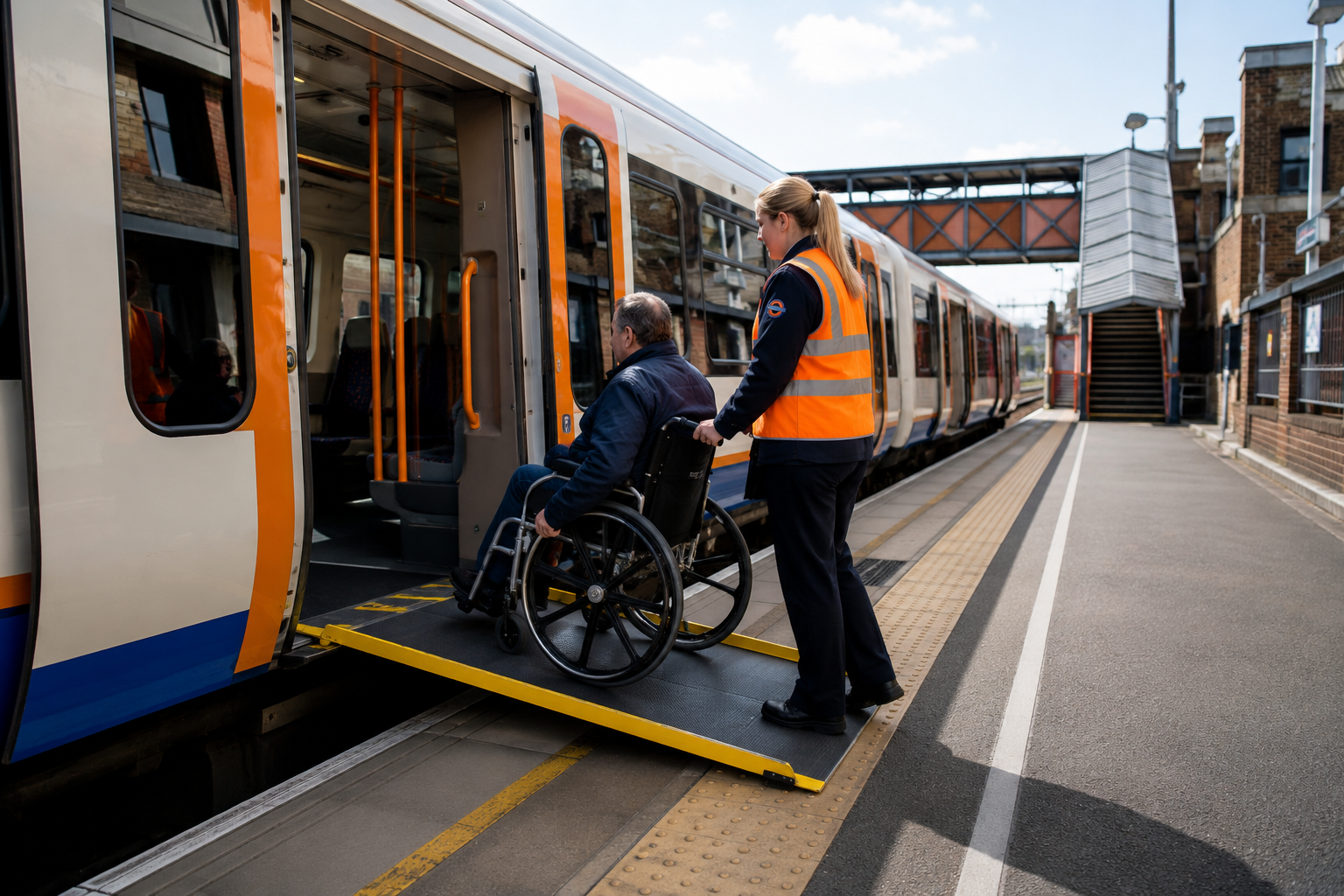
The London Overground network has long been considered a vital part of the capital’s transport system, connecting millions of passengers every year. As accessibility becomes an increasingly important issue in public transportation, the release of a new ramp safety report has brought renewed attention to the safety of passengers who rely on step-free access and platform ramps.
The report examines how ramps are used across the London Overground system and identifies areas where improvements can be made to enhance passenger safety and accessibility.
Platform ramps are essential for many passengers, particularly:
The report highlights that safe and reliable ramps play a critical role in ensuring that public transport remains accessible for everyone.
Passenger demand for accessible travel options has increased significantly in recent years. More travelers are relying on ramps and other accessibility features to move safely through stations and board trains.
As London’s population continues to grow, transport operators face increasing pressure to improve accessibility standards.
One of the report’s major findings is the importance of staff training when assisting passengers using ramps.
The report recommends:
Regular maintenance of ramps and accessibility equipment was identified as a key factor in preventing accidents.
The report suggests:
Passengers often require clear information about accessibility services before beginning their journeys.
Recommendations include:
Accessibility has become an important focus for the London Overground network in recent years. A growing number of stations now provide step-free access, with ramps, lifts, and other facilities designed to support passengers with mobility needs. TfL has continued to invest in improving accessibility across its rail services.
The report outlines several recommendations to further improve ramp safety:
Staff should receive regular training on assisting passengers with accessibility requirements.
Passengers should be able to request assistance easily through digital and station-based systems.
Routine inspections can help identify potential issues before they become serious problems.
Upgrading station facilities and replacing aging equipment will improve overall passenger safety.
Accessibility campaigners and disability organizations have welcomed the report, arguing that public transport systems must continue to improve to ensure equal access for all passengers.
Many campaigners believe the report represents an important step toward creating a more inclusive transport network.
Transport authorities are expected to review the report’s recommendations and consider implementing additional safety measures across the London Overground network.
Future improvements could include:
The London Overground ramp safety report goes beyond infrastructure. It highlights the broader importance of making public transportation accessible, safe, and reliable for every passenger.
As cities around the world work to improve transport accessibility, London’s experience could provide valuable lessons for other rail networks seeking to create a more inclusive travel environment.
The London Overground ramp safety report serves as an important reminder that accessibility and passenger safety must remain central priorities for public transport operators.
By focusing on staff training, equipment maintenance, passenger communication, and infrastructure investment, London Overground has the opportunity to further improve the travel experience for millions of passengers.
Ensuring safe and effective ramp access is not only an operational issue—it is a commitment to making public transportation accessible for everyone.

Homefixer.pk is home services provider in Karachi Lahore and Islamabad.
Hand-picked posts you might find useful next
 BlogsGenerator Buyer in Karachi | Buy & Sell Used GeneratorsGenerator Buyer in Karachi | Sell Your Used Generator at the Best Price If you’re searching for the…Read more
  BlogsUsed Generator Buyer Near Me Karachi | Sell Old Generators in KarachiUsed Generator Buyer Near Me|Best Old Generator Buyer If you’re searching for the Used Generator Buyer Near Me…Read more
  BlogsPetrol Prices in Pakistan 2026 | Latest Fuel Price UpdatesPetrol Prices in Pakistan (2026): Today’s Rates, Pricing Breakdown & Trends Petrol prices in Pakistan directly affect millions…Read more
 View all


June 15, 2026 | by Admin-homefixer

July 17, 2026 | by Admin-homefixer

Leave a Comment