Petrol Prices in Pakistan 2026 | Latest Fuel Price Updates

July 25, 2026 | by Admin-homefixer
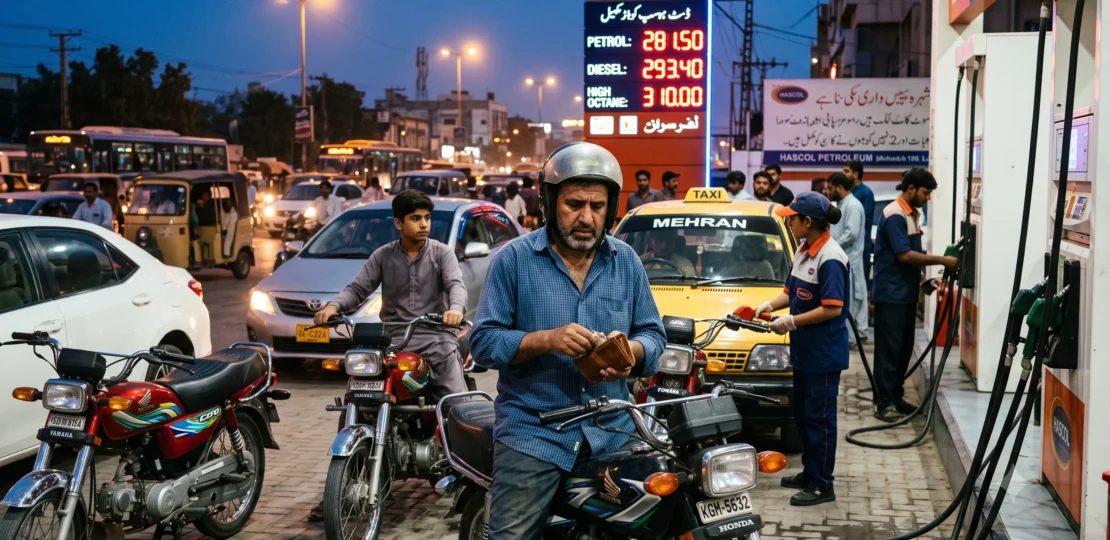
Petrol Prices in Pakistan 2026 Latest Fuel Price Updates

Petrol Prices in Pakistan (2026): Today’s Rates, Pricing Breakdown & Trends

Petrol prices in Pakistan directly affect millions of households, businesses, transport companies, and industries. Whether you own a motorcycle, drive a car, operate a logistics business, or manage commercial operations, fluctuations in fuel prices significantly impact your monthly expenses.

In recent years, Pakistan has experienced frequent changes in petroleum prices due to international crude oil market movements, exchange rate fluctuations, government taxes, and domestic energy policies. In July 2026, Pakistan also introduced a daily petroleum pricing mechanism, making fuel prices more responsive to global oil market changes.

This comprehensive guide explains everything you need to know about petrol prices in Pakistan, including how prices are determined, why they change, current market trends, their impact on the economy, and practical ways to reduce fuel expenses.


What Are Petrol Prices in Pakistan?

Petrol prices in Pakistan refer to the official retail prices announced by the government through the Oil and Gas Regulatory Authority (OGRA). These prices apply nationwide, although slight differences may occur because of inland freight equalization and transportation costs.

The primary petroleum products sold at fuel stations include:

  • Petrol (Motor Spirit – MS)
  • High-Speed Diesel (HSD)
  • High-Octane Petrol
  • Light Diesel Oil
  • Kerosene Oil

Among these, petrol and diesel are the most widely consumed fuels across Pakistan.


Latest Petrol Price Trend in Pakistan

Pakistan has recently shifted from periodic price revisions to a daily pricing mechanism, allowing OGRA to update fuel prices based on international market movements using a seven-working-day rolling average. This change is intended to improve transparency and ensure domestic prices reflect global oil trends more quickly.

As of 25 July 2026, official notifications reported:

Fuel Type Price (PKR/Litre)
Petrol 335.18
High-Speed Diesel 383.46

These prices are subject to change under the new daily pricing system.


How Petrol Prices Are Determined in Pakistan

Many people assume petrol prices depend only on crude oil costs. In reality, several components contribute to the final retail price.

1. International Crude Oil Prices

Pakistan imports a significant portion of its petroleum products.

When global crude oil prices increase:

  • Import costs rise
  • Refineries pay more
  • Fuel becomes more expensive

If crude prices decline, retail fuel prices may also decrease, depending on taxes and exchange rates.


2. Exchange Rate (USD/PKR)

Petroleum imports are purchased in US dollars.

If the Pakistani Rupee weakens:

  • Import costs increase
  • Fuel becomes more expensive

A stronger Pakistani Rupee can lower the overall cost of importing petroleum products.


3. Petroleum Development Levy (PDL)

The federal government imposes the Petroleum Development Levy.

Revenue generated through PDL supports:

  • National development
  • Government expenditures
  • Fiscal management

Changes in this levy can significantly affect pump prices.


4. Dealer Commission

Fuel station owners receive a commission for every litre sold.

This commission is incorporated into the retail fuel price.


5. Oil Marketing Company Margins

The government provides Oil Marketing Companies (OMCs) with regulated margins to cover:

  • Transportation
  • Distribution
  • Storage
  • Operational costs

6. Inland Freight Equalization Margin

Pakistan applies an inland freight mechanism to reduce major regional price differences.

This helps keep prices relatively consistent across:

  • Karachi
  • Lahore
  • Islamabad
  • Peshawar
  • Quetta
  • Multan
  • Faisalabad

Role of OGRA

The Oil and Gas Regulatory Authority (OGRA) is Pakistan’s petroleum regulator.

Its responsibilities include:

  • Monitoring international oil prices
  • Calculating ex-depot prices
  • Publishing petroleum prices
  • Regulating petroleum companies
  • Ensuring fair pricing practices
  • Promoting transparency in fuel pricing

Recent reforms have expanded OGRA’s role in publishing daily petroleum prices and detailing the components of retail pricing.


Why Petrol Prices Increase

Several reasons can cause fuel prices to rise.

Rising International Oil Prices

Global demand often increases due to:

  • Economic growth
  • Seasonal travel
  • Supply shortages
  • Geopolitical tensions

Political Conflicts

Wars or instability in major oil-producing regions can disrupt supply and push prices higher.


Rupee Depreciation

A weaker Pakistani Rupee increases the cost of importing petroleum products.


Higher Government Taxes

Changes to taxes or levies can increase the retail price even if crude oil prices remain stable.


Supply Chain Costs

Shipping, insurance, storage, and logistics costs also influence final fuel prices.


Why Petrol Prices Sometimes Decrease

Prices may fall when:

  • Global crude prices decline
  • The rupee strengthens
  • Import costs decrease
  • Government reduces petroleum taxes
  • International supply improves

Impact of Petrol Prices on Pakistan’s Economy

Petrol prices affect nearly every sector.

Transportation

Higher fuel costs increase:

  • Bus fares
  • Ride-hailing fares
  • Freight charges
  • Delivery expenses

Food Prices

Agricultural operations and the transportation sector depend significantly on diesel and petrol to function efficiently.

Fuel increases often lead to higher prices for:

  • Vegetables
  • Fruits
  • Flour
  • Milk
  • Poultry

Manufacturing

Factories face higher production costs because fuel powers transportation and some industrial operations.


Inflation

Fuel price increases often contribute to broader inflation by raising the cost of goods and services.


Household Budgets

Families may spend more on:

  • Fuel
  • School transportation
  • Grocery deliveries
  • Utility expenses linked to transportation costs

How Daily Fuel Pricing Works

Pakistan’s new pricing framework aims to:

  • Reflect international market movements more quickly
  • Improve pricing transparency
  • Reduce administrative delays
  • Provide detailed price breakdowns

Prices are calculated using a seven-working-day average of international benchmark prices rather than relying solely on less frequent government notifications.


Tips to Save Fuel

You can reduce fuel expenses by adopting efficient driving habits.

Drive Smoothly

Avoid sudden acceleration and harsh braking.

Maintain Tire Pressure

Properly inflated tires improve fuel efficiency.

Service Your Vehicle

Regular maintenance helps engines consume less fuel.

Avoid Excess Weight

Remove unnecessary items from your vehicle.

Combine Trips

Plan errands together to reduce mileage.

Reduce Idling

Turn off the engine during long stops.

Choose Fuel-Efficient Routes

Use navigation apps to avoid heavy traffic.


Future Outlook for Petrol Prices

Future fuel prices in Pakistan will largely depend on:

  • International crude oil trends
  • Exchange rate stability
  • Government taxation policies
  • Regional geopolitical developments
  • Domestic energy reforms
  • Global demand and supply

While short-term fluctuations are likely under the daily pricing system, longer-term trends will continue to be influenced by global energy markets and Pakistan’s economic conditions.


Frequently Asked Questions (FAQs)

Who decides petrol prices in Pakistan?

The Oil and Gas Regulatory Authority (OGRA) determines petroleum prices under the government’s pricing framework.

Why do petrol prices change frequently?

Changes in international oil prices, the USD/PKR exchange rate, taxes, and distribution costs all affect retail fuel prices.

Does the dollar exchange rate affect petrol prices?

Yes. Since petroleum is largely imported in US dollars, exchange rate movements significantly influence local fuel prices.

Why is diesel more expensive than petrol?

Diesel pricing can differ due to international demand, import costs, taxation, and supply conditions.

Can petrol prices decrease?

Yes. Lower global crude prices, a stronger rupee, or reduced taxes can contribute to lower retail fuel prices.

Where can I check official petrol prices?

The latest official petroleum price notifications are available from the Ministry of Energy (Petroleum Division) and OGRA.


Final Thoughts

Petrol prices in Pakistan have a direct impact on transportation, inflation, businesses, and household budgets. The country’s move toward a daily pricing mechanism marks a significant shift toward greater transparency and faster alignment with international market conditions. Staying informed about fuel price trends and understanding the factors behind them can help individuals and businesses make better financial decisions in a changing energy landscape.

Share this article
Admin-homefixer
Written by

Admin-homefixer

Homefixer.pk is home services provider in Karachi Lahore and Islamabad.

Discussion

Leave a Comment

RELATED POSTS

View all

view all