

Hot summer nights can make even a well-designed bedroom feel uncomfortable. In many Pakistani cities, high daytime temperatures continue after sunset, while humidity can make the air feel warmer than it actually is. Fans and air conditioners help, but the clothing we wear to bed also plays an important role in how comfortable we feel through the night.
The ideal nightwear should promote airflow, provide unrestricted movement, and feel soft against the skin. It doesn’t have to be complicated or costly. A few practical choices can make bedtime noticeably more comfortable for adults and children alike.
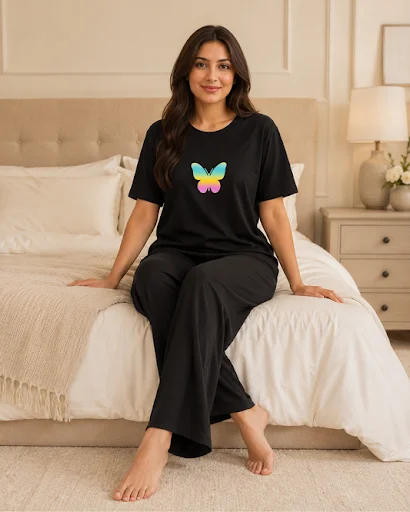
1. Start with lightweight, breathable fabric
Fabric is the first thing to consider when choosing summer sleepwear. Lightweight cotton and other breathable materials allow air to move more freely around the body and help moisture evaporate. Thick, stiff or heavily layered fabrics can trap warmth and become uncomfortable during humid weather.
When shopping, hold the fabric in your hand. It should feel soft, light and flexible rather than dense or rough. A breathable fabric is especially helpful for people who sleep without continuous air conditioning or experience frequent power interruptions.
2. Choose a relaxed fit
Tight clothing restricts airflow and can feel sticky in warm conditions. A relaxed night suit gives the body room to move and lets air circulate between the fabric and skin. This does not mean buying clothing that is excessively oversized. The ideal fit should sit comfortably on the shoulders and waist without pulling, pinching or twisting while you sleep.
For trousers, look for enough room around the thighs and knees. Choose tops with sleeves and armholes that provide unrestricted movement. Comfort becomes more important than a fitted silhouette at bedtime.
3. Pay attention to waistbands, seams and trims
Small construction details can make a big difference during a full night of sleep. A soft, flexible waistband should fit securely without putting pressure on the skin. Flat, neat seams are generally more comfortable than bulky ones, especially for children or anyone with sensitive skin.
Heavy decorations, rough labels and rigid trims may look attractive on the hanger but can cause irritation when you turn in bed. Simple, well-finished sleepwear is often the better choice for everyday use.
4. Short sleeves or full sleeves? Let the room decide
Short sleeves and lighter bottoms are useful in rooms that remain warm throughout the night. However, loose full sleeves and trousers can also work well when the fabric is light and breathable. They provide coverage from direct air-conditioning, ceiling-fan drafts and mosquitoes without necessarily trapping heat.
The best option depends on your room, sleeping habits and personal comfort. Many families keep both styles available and change according to the weather.
5. Select practical colours and prints
Light and cheerful colours feel naturally suited to summer, but practicality matters too. Prints can make everyday nightwear fun while helping minor marks appear less noticeable. For children, playful patterns can also make the bedtime routine more enjoyable.
The main priority should still be fabric quality, fit and stitching. A beautiful print cannot compensate for uncomfortable material or poor construction.
6. Consider the needs of children
Children often move around in their sleep, so their nightwear should be comfortable and allow unrestricted movement. Avoid tight necklines, scratchy details and overly long hems. Soft fabric, flexible waistbands and age-appropriate sizing are more important than decorative elements.
Parents should also check the fit regularly because children grow quickly. If sleeves, shoulders or waistbands have become restrictive, it is time to move to the next size.
7. Wash summer nightwear correctly
Even high-quality fabrics can become rough if they are washed improperly. Follow the care label, use a gentle detergent and avoid unnecessarily high heat. Wash similar colours together to help maintain vibrant prints, and turn garments inside out to minimise fabric wear and fading.
Dry nightwear completely before storing it, especially during humid or monsoon weather. A dry, well-ventilated wardrobe helps prevent musty smells and keeps clothing fresh.
8. Support nightwear with a cooler bedroom routine
Clothing works best as part of a comfortable sleep environment. Use lightweight bedsheets, keep airflow paths clear and close curtains during the hottest part of the day. If possible, ventilate the room after sunset when the outdoor air becomes cooler.
A cool shower before bed and a glass of water nearby can also make the night more comfortable. Together, these small habits reduce the feeling of heaviness that often comes with summer heat.

A QUICK SUMMER NIGHTWEAR CHECKLIST
Before buying, ask:
- Is the fabric light, soft and breathable?
- Does the fit allow comfortable movement?
- Is the waistband gentle and flexible?
- Are the seams and labels smooth?
- Is the size suitable for sleeping, not only standing?
- Can the garment be washed easily for regular use?
FINAL THOUGHTS
Comfortable summer sleepwear is not only about appearance. Breathable fabric, a relaxed fit and thoughtful construction can help create a cooler, easier bedtime routine. By choosing practical pieces and caring for them correctly, families can stay more comfortable throughout Pakistan’s long summer season.